

Table of Contents
- What Filing Chapter 7 Bankruptcy in Creek County Involves
- Chapter 7 Bankruptcy Eligibility Oklahoma Rules and the Means Test
- Where to File: The Northern District of Oklahoma Bankruptcy Court
- Documents Needed to File Chapter 7 Bankruptcy
- Filing Chapter 7 Bankruptcy Without an Attorney: What to Expect
- Filing Fees, Credit Counseling, and Court Logistics
- Chapter 7 Bankruptcy Process Timeline From Petition to Discharge
- Conclusion
- Frequently Asked Questions
Last Updated: October 18, 2026
What Filing Chapter 7 Bankruptcy in Creek County Involves
Filing Chapter 7 bankruptcy in Creek County starts with a federal petition at the Northern District of Oklahoma bankruptcy court in Tulsa, and most qualifying residents finish in about three to four months.
The paperwork is not the hard part. Knowing what you get to keep before you sign anything is. At Creek County Law, we walk clients through that question first.
What the process involves, in order:
- A credit counseling course before you file
- The bankruptcy petition and schedules
- A filing fee, or a request to pay it over time
- A meeting of creditors, usually about a month after filing
Chapter 7 Bankruptcy Eligibility Oklahoma Rules and the Means Test
Eligibility for Chapter 7 in Oklahoma turns on the means test, a two-part calculation comparing your household income to the Oklahoma median for your household size and, if you are above it, subtracting allowed expenses to see whether you could fund a Chapter 13 plan instead. It uses IRS expense standards and a six-month lookback, not your actual spending, which is why self-filers so often get it wrong.
Step one: the median income comparison
Add up gross income from all sources for the six months before your filing date, divide by six, and compare that monthly average to the Oklahoma median for your household size. Trustee Program publishes these figures and updates them periodically, so confirm the current numbers against the U.S. Trustee Program means test data before you rely on any figure you saw in a blog post or an old form.
A common pattern for a single filer in Creek County is a monthly gross around $4,000 to $5,000, but whether that passes depends entirely on the current median for a household of one. Pull the current chart and write the number down before you do anything else.
Step two: the expense deduction (only if you are over median)
If your average monthly income is above the median, you deduct allowed expenses using IRS National and Local Standards plus certain actual expenses, and the remainder is compared to a threshold estimating whether you could repay a meaningful portion of your debt over five years. If the remainder is low enough, you still qualify for Chapter 7; if it is high, the presumption of abuse arises and Chapter 13 becomes the realistic path.
What counts and what does not:
- IRS standards cover food, clothing, housing, utilities, and transportation, and they are capped, not based on your actual bills
- A non-filing spouse’s income usually counts toward household income, even if you keep separate accounts
- A roommate’s income may or may not count depending on whether you share expenses; document the arrangement
- Social Security benefits are generally excluded from the income calculation, but they can affect the expense side
A worked example
Assume a household of two in Creek County with combined gross income of $5,200 per month over the lookback period. If the current Oklahoma median for a household of two is above $5,200, the filer passes at step one; if below, the filer moves to step two, deducts IRS standards, and checks the remainder.
Filing before you check eligibility can get a case dismissed, and a dismissal stays on your credit report. Run the means test before you pay a filing fee, not after.
Passing the means test does not protect your property; that is the exemption question. Failing it does not automatically bar Chapter 7 if you can rebut the presumption with special circumstances, but that is an argument to make with documentation, not a box to check.
If your income is close to the median, or your household includes a non-filing spouse, a roommate, or irregular income, get the calculation reviewed before you file. A one-line error in household size or income can flip the result.
Where to File: The Northern District of Oklahoma Bankruptcy Court
Creek County cases go to the United States Bankruptcy Court for the Northern District of Oklahoma, which sits in Tulsa. Sapulpa residents do not file at the county courthouse.
The practical logistics:
- The court is in downtown Tulsa, a short drive from most of Creek County
- You can file in person or, for many documents, electronically
- The 341 meeting of creditors is typically held at the courthouse or by phone
- Case information is public through the court’s electronic docket
Before you drive over, call or check the court’s website for current hours, filing windows, and whether your hearing is remote. The Northern District of Oklahoma court website lists current locations and procedures.
Documents Needed to File Chapter 7 Bankruptcy
The documents needed to file Chapter 7 bankruptcy fall into two groups: the official bankruptcy forms and the supporting records that prove what you put on them.
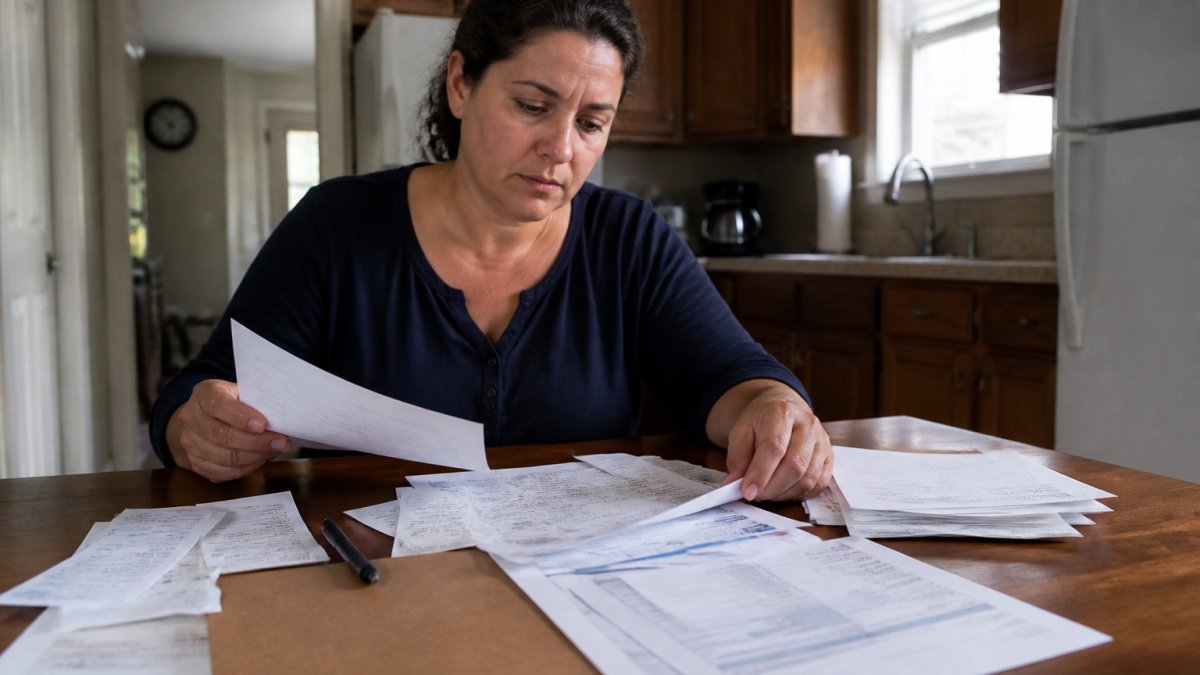
Gather these before you start:
- Photo ID and Social Security number
- Pay stubs or income records for the last six months
- Two years of tax returns
- Bank statements for all accounts
The petition includes schedules listing assets, liabilities, income, and expenses, plus a statement of financial affairs. Leave something off and the trustee will find it; bank records do not forget.
One insider point: the trustee looks hardest at recent transfers.
Filing Chapter 7 Bankruptcy Without an Attorney: What to Expect
Filing Chapter 7 bankruptcy without an attorney is legal and common, but it shifts every judgment call onto you. The court will not give legal advice, the trustee represents the estate rather than you, and a schedule mistake can cost you an asset you could have exempted.
Where self-filers run into trouble:
- Choosing the wrong exemptions and losing protected property
- Miscounting household income on the means test
- Missing a local form or a deadline
- Failing to complete the debtor education course before discharge
The most expensive mistake is the exemption question. Oklahoma sets its own list of protected property, and a vehicle, a tax refund, or a modest savings account can be protected or lost depending on how the schedule is filled out.
Request the trustee’s document checklist at the 341 meeting, not after. Trustees often ask for bank statements and pay stubs within a set window, and missing that window delays discharge.
If your situation includes a home, a business, or a recent property transfer, the cost of a consultation is usually smaller than the cost of one wrong line. Creek County Law handles bankruptcy filings for Northern Oklahoma residents.
Filing Fees, Credit Counseling, and Court Logistics
The Chapter 7 filing fee is set by federal statute, and the current amount is listed on the Northern District of Oklahoma fee schedule and the U.S. Courts bankruptcy filing fees page. Confirm the number on the court’s site before your filing date rather than trusting a blog, because the fee changes periodically and the clerk will not accept an outdated amount.
The court fee and how to pay it
The court offers three paths, and choosing the right one before you file matters:
- Pay in full at filing
- Request to pay in installments, which requires an application and a proposed schedule; the court can approve up to four installments
- Request a fee waiver, available only in limited circumstances and only for individual debtors whose income is below 150% of the federal poverty guideline for their household size
Ask the clerk for the installment or waiver application before your filing date, not after. Filing without the fee or an approved application can get the case dismissed.
Costs beyond the court fee
The filing fee is only part of the budget. A realistic all-in estimate for a self-filer includes:
- Pre-filing credit counseling course: typically $10 to $50, with many approved providers offering it free or reduced for low-income filers
- Pre-discharge debtor education course: typically $10 to $50, with similar reduced-fee options
- Credit report pulls: often free through annualcreditreport.com, or a modest fee for a three-bureau report
- Postage, copies, and certified mail: usually under $50 for a straightforward case
Both courses are required. The credit counseling must be completed within 180 days before filing, and the debtor education course must be finished before the court will grant a discharge. Certificates from both go into the case file. The U.S. Courts bankruptcy basics guide explains the requirement and links to approved provider lists.
The filing fee is only part of the budget. Budget for two courses, a credit report, and any attorney fees before you commit to a filing date, and confirm the current court fee on the court’s own schedule.
Court logistics for Creek County filers
Creek County cases go to the United States Bankruptcy Court for the Northern District of Oklahoma in Tulsa. Sapulpa residents do not file at the county courthouse; bankruptcy is federal, so the county courthouse handles state matters only. The practical logistics:
- The court is in downtown Tulsa, a short drive from most of Creek County
- You can file in person or, for many documents, electronically through the court’s electronic filing system
- The 341 meeting of creditors is typically held at the courthouse or by phone; confirm your notice for the method and time
- Case information is public through the court’s electronic docket
Before you drive over, check the court’s website for current hours, filing windows, and whether your hearing is remote. Court logistics shift, and a wasted trip costs a day of work. The Northern District of Oklahoma court website lists current locations, procedures, and fee schedules.
Chapter 7 Bankruptcy Process Timeline From Petition to Discharge
A straightforward Chapter 7 case in the Northern District of Oklahoma typically runs about three to four months from petition to discharge.
| Stage | Typical Timing | What Happens |
|---|---|---|
| Pre-filing counseling | Before filing | Course completed and certificate issued |
| Petition filed | Day 1 | Automatic stay stops collection calls |
| Trustee assigned | Within days | Trustee reviews schedules |
| 341 meeting of creditors | About 4-6 weeks after filing | Creditors and trustee ask questions under oath |
| Debtor education course | Before discharge | Second required course completed |
| Discharge order | About 60 days after the 341 meeting | Remaining dischargeable debts wiped out |
The automatic stay is the immediate relief: it stops wage garnishment, foreclosure, and collection calls the moment the case is filed.
After discharge, the credit report should show the case closed. Rebuilding takes time, and a fresh start is real but not instant; expect to explain the bankruptcy on some loan applications for years.
Conclusion
The hardest part of a Creek County Chapter 7 case is not the forms. It is the judgment calls: which exemptions protect your property, how the means test counts your household, and what the trustee will ask about.
Creek County Law works with individuals and families across Northern Oklahoma on bankruptcy filings, and we review the schedules and exemption choices before anything goes to the court.
Frequently Asked Questions
What are the steps to file Chapter 7 bankruptcy in Creek County?
Start with credit counseling from an approved agency within 180 days before filing. Complete the means test and gather tax returns, pay stubs, bank statements, and a list of debts and assets. File the petition and schedules with the Northern District of Oklahoma bankruptcy court, pay the filing fee or request installments, then attend the 341 meeting of creditors. Finish the debtor education course and wait for the discharge, which typically arrives about 60 days after the meeting.
How do I know if I qualify for Chapter 7 bankruptcy in Oklahoma?
Chapter 7 bankruptcy eligibility Oklahoma rules center on the means test. If your household income falls below the state median for your household size, you generally pass. Above it, the test deducts allowed expenses to see whether you have disposable income to repay creditors. A bankruptcy attorney can run the numbers with current figures before you file so you avoid a case that gets dismissed or converted.
How long does the Chapter 7 bankruptcy process take?
Most Chapter 7 cases run three to four months from filing to discharge. The 341 meeting of creditors is usually scheduled about 21 to 40 days after you file. Creditors have 60 days after that meeting to object to discharge. The Chapter 7 bankruptcy process timeline stretches longer if you need extra time for paperwork, if a trustee questions assets, or if a creditor files an objection.
Can I file Chapter 7 bankruptcy without an attorney?
Yes, you can file pro se, but the paperwork is demanding. You must complete the petition, schedules, statement of financial affairs, and means test form accurately, and mistakes can cost you exemptions or get the case dismissed. Filing Chapter 7 bankruptcy without an attorney works best for simple cases with few assets. If you own a home, run a business, or have complex debts, a consultation with a bankruptcy attorney is worth the cost.