
Last Updated: October 30, 2026
Quick Summary
Hiring a local probate attorney means working with someone who files in your county’s district court regularly and knows its judges, clerks, and filing customs. That familiarity reduces court delays, catches procedural errors before they cost the estate, and helps resolve disputes among heirs faster.
- A probate attorney handles the petition, notices, inventory, debts, hearings, and final accounting for the executor.
- Delays in probate usually trace back to procedure, such as a missing signature or late notice.
- Heir disputes are the most common reason probate grinds to a halt.
- Ask whether fees are hourly, flat, or a percentage, and get the structure in writing.
- G. Gene Thompson brings over 33 years of business management experience to estate work.
Table of Contents
- Why Local Knowledge Changes the Probate Process
- What Does a Probate Attorney Do for an Executor?
- When to Hire a Probate Attorney Instead of Going It Alone
- Fewer Court Delays and Missed Deadlines
- How Local Counsel Helps Settle Disputes Among Heirs
- Understanding Probate Attorney Fees Before You Sign
- How to Choose a Probate Attorney You Can Actually Reach
- Scheduling Your First Probate Consultation
- Frequently Asked Questions
Why Local Knowledge Changes the Probate Process
Probate is the court-supervised process of settling a deceased person’s estate, and in Oklahoma it runs through county-level district courts where local rules, filing customs, and judge preferences shape how fast a case moves. Hiring a local probate attorney means working with someone who files in that courthouse regularly and knows the people behind the counter. The difference between a lawyer who knows the courthouse and one who is learning it on your dime is real.
The benefits of hiring a local probate attorney start with familiarity. A local lawyer knows which judge wants an inventory filed early, which clerk catches formatting errors, and how the county handles hearings for small estates. Those details rarely appear in a statute book. They come from showing up.
What Does a Probate Attorney Do for an Executor?
A probate attorney guides the executor through every legal step of estate administration, from filing the petition to open probate through closing the estate and distributing assets. The attorney handles the paperwork, deadlines, and court appearances so the executor can focus on family decisions.
For an executor, the job usually includes:
- Preparing and filing the petition for probate and letters testamentary
- Publishing and mailing required notices to creditors and heirs
- Preparing the inventory and appraisement of estate assets
- Tracking and paying valid debts and taxes from estate funds
- Representing the estate at hearings
- Preparing the final accounting and closing documents
What most guides miss is how much of this work is procedural. Miss a notice, file the wrong form, or let a deadline slide, and the estate pays for it in delays. If you want the full picture of what this role involves, why you need a probate attorney explains how counsel protects both the estate and the executor personally.
When to Hire a Probate Attorney Instead of Going It Alone
Hire a probate attorney when the estate is larger than a simple transfer, when heirs disagree, when debt or tax questions exist, or when you simply cannot afford a procedural mistake. Oklahoma has procedures for smaller estates, but the eligibility rules are specific, so check the current requirements with the official Oklahoma statutes or a qualified attorney.
Situations that call for help right away:
- Real property that must be titled or sold
- Multiple heirs with competing expectations
- Unclear or contested wills
- Creditor claims or unpaid debts
- Estates that include business interests
A common mistake is waiting until a problem appears. By then, you are paying to fix an error instead of preventing one. If you are weighing whether to engage counsel, our estate planning and probate services outline how we take a case from filing through closing.
Fewer Court Delays and Missed Deadlines
Delays in probate almost always trace back to procedure, not bad luck: a missing signature, a notice sent late, an inventory filed in the wrong format. Each one sends the case back to the end of the line. Local counsel avoids that pattern because the filing requirements are already familiar.
Oklahoma’s probate process runs on a statutory timeline, and the Oklahoma Statutes on probate procedure set out the notice periods and filing requirements that govern it. An attorney who works in your county court knows how those rules play out in practice, including how much lead time the clerk’s office actually needs.
Our firm is efficient in meeting court and client deadlines.
How Local Counsel Helps Settle Disputes Among Heirs
Heir disputes are the most common reason probate grinds to a halt. Siblings disagree over personal property, a will surfaces late, or one heir believes the executor is favoring another. A local attorney can often resolve these issues before they reach a courtroom, and when they cannot, that attorney knows the judge who will hear them.
Two questions come up constantly. First, whether a spouse inherits everything automatically. In Oklahoma, the answer depends on how the assets are titled and whether a will exists, and does my spouse inherit everything automatically walks through how that works. Second, whether a will can be challenged at all. It can, on specific grounds, and contesting a will in Oklahoma probate court explains the process and the deadlines involved. (Source: the complexities of estate administration)
Watch out: heirs who negotiate informally without documentation often create a second dispute later. Put every agreement in writing through counsel.
Understanding Probate Attorney Fees Before You Sign
Probate attorney fees depend on the matter, so ask for a written explanation of the fee structure before you sign anything. Ask for the structure in writing before you sign anything, and confirm how expenses such as filing fees and publication costs are handled separately from legal fees.
Questions to ask:
- Is the fee hourly, flat, or a percentage of the estate?
- What does the quoted fee include, and what triggers extra charges?
- How are court costs and publication fees billed?
- What happens to the fee if the estate is contested?
How to Choose a Probate Attorney You Can Actually Reach
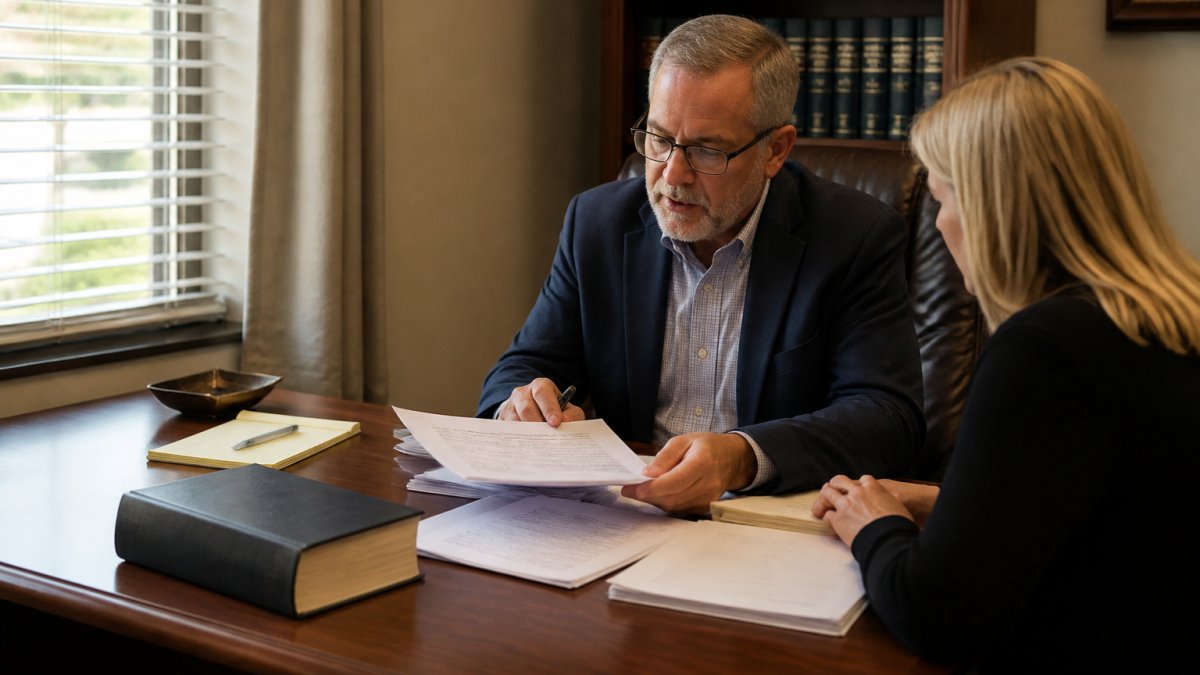
Choose a probate attorney who practices in your county, returns calls, and can explain the process in plain language. Credentials matter, but accessibility decides whether the estate keeps moving or stalls while you wait for answers.
Run this checklist before you hire:
- Does the attorney file regularly in your county’s district court?
- Will you speak with the attorney directly, or a staff member?
- How quickly does the office respond to calls, emails, and texts?
- Is the fee structure explained in writing?
- Can the attorney describe a realistic timeline for your estate?
The thing nobody tells you about choosing counsel is that responsiveness is a leading indicator. A lawyer who answers questions before you hire will answer them after.
Run this checklist before you hire a probate attorney.
| Checklist item | What to confirm |
|---|---|
| Court familiarity | Files regularly in your county’s district court |
| Direct contact | You will speak with the attorney directly |
| Responsiveness | How quickly the office responds to calls, emails, texts |
| Fees | Fee structure explained in writing |
| Timeline | Attorney can describe a realistic timeline |
Scheduling Your First Probate Consultation
A first consultation should leave you with a clear picture of the process, the timeline, and the cost structure, not a sales pitch. Bring the death certificate, the will if one exists, a list of assets and debts, and the names of all heirs. That paperwork turns a vague conversation into a real plan.
At Creek County Law, G. Gene Thompson brings over 33 years of business management experience to estate work. We are reachable by phone, email, and text, and we provide one-on-one counsel. When you are ready to take the next step, contact us to schedule a consultation and get a straight answer about where your estate stands.
Frequently Asked Questions
What are the benefits of hiring a probate attorney?
A probate attorney handles the court filings, notices, inventory, and accountings that an estate requires, which lowers the risk of errors that can send a case back for correction. Local counsel also knows the county court’s local rules and typical scheduling, so hearings and deadlines are easier to plan around. When heirs disagree, an attorney can keep the process moving instead of letting disputes stall the estate.
Is it worth hiring a lawyer for probate?
It depends on the estate. Simple estates with a clear will, no disputes, and modest assets are sometimes handled by an executor without counsel. Estates with real property, multiple heirs, creditor claims, or a contested will usually benefit from representation because a mistake in the paperwork can cost more time than the legal help would. Ask an attorney for a plain assessment of your situation before deciding.
When should you hire a probate attorney?
Hire one early, ideally before the first filing, because deadlines start running when the estate is opened. Situations that call for counsel sooner include a will contest, an executor who lives out of state, heirs who cannot agree, unpaid debts or tax questions, or a court that has already flagged a problem with a filing. Waiting until a dispute escalates usually costs more than starting with guidance.
How are probate attorney fees usually charged?
Fee structures vary by firm and by estate. Some attorneys bill hourly, some charge a flat fee for defined tasks, and some use a percentage of the estate where state rules allow it. Ask for the structure in writing, what it covers, and how expenses like filing fees and appraisals are handled. Creek County Law does not publish pricing, so request a quote for your specific estate.
Probate is stressful enough without wondering whether your lawyer will call you back. Creek County Law offers dependable, one-on-one counsel with direct access to G. Gene Thompson, a clear explanation of fees before you sign, and a team that meets court deadlines. Get started with Creek County Law and move your estate forward with someone who knows the courthouse.
