

Table of Contents
- What Legal Representation for Civil Litigation Cases Involves
- How to Choose a Civil Litigation Attorney
- Questions to Ask a Civil Litigation Lawyer Before You Hire
- Civil Litigation Lawyer Fees and What Drives Costs
- What to Expect at Each Stage of a Civil Case
- Alternatives to Litigation: Mediation and Arbitration
- Frequently Asked Questions
Last Updated: October 15, 2026
What Legal Representation for Civil Litigation Cases Involves
Legal representation for [civil litigation](/civil-litigation/) cases means hiring a licensed attorney to handle a non-criminal dispute on your behalf, from the first demand letter through settlement or trial.
Civil litigation is the process of resolving a legal dispute in court or through settlement talks when one party believes another has caused harm, broken an agreement, or failed a legal duty. The party who files is the plaintiff.
A civil litigation attorney does far more than argue in a courtroom. The role includes:
- Investigating facts and gathering evidence
- Drafting pleadings and filing the lawsuit
- Managing discovery, including documents and witness examinations
- Negotiating with the opposing party
- Presenting your case at trial when settlement fails
The Legal Information Institute overview of civil procedure explains how these stages fit together under court rules.
How to Choose a Civil Litigation Attorney
Choosing counsel is a research task, not a gut call. The goal is to verify three things before you sign: that the attorney has handled your type of dispute, that they practice in the court where your case will be filed, and that their communication and billing style fit how you want to work. Most ranking pages describe legal services; this section gives you a method for comparing attorneys side by side.
Step 1: Define Your Dispute Before You Call
Write a one-paragraph summary that answers: who is involved, what happened, when it happened, what you want (money, an injunction, specific performance, a declaration), and what you have in writing. This summary does two things, it forces you to organize the facts, and it lets you compare how different attorneys respond to the same set of facts.
Step 2: Verify Licensing and Standing
Every state bar maintains a public attorney directory and a disciplinary history. Look up each candidate to confirm active licensure, admission to the relevant federal or state court, and any public discipline. A bar profile is the fastest way to confirm an attorney is who they say they are. If a firm’s website lists practice areas but the bar profile shows no relevant admissions, ask why.
Step 3: Match Practice Area, Not Just “Litigation”
“Civil litigation” is a category, not a specialty. A lawyer who tries contract disputes may have never handled a trust contest, a construction defect claim, or an employment retaliation case. Ask for the number of matters like yours handled in the last three years, the forum they were filed in, and how they resolved, settled, dismissed, tried, appealed. Attorneys who cannot or will not answer this are telling you something.
Step 4: Confirm Court Familiarity
Local rules vary by courthouse. Filing deadlines, page limits, discovery protocols, and standing orders differ from one jurisdiction to the next. An attorney who appears regularly in your courthouse knows the judges’ preferences, the clerk’s quirks, and the realistic pace of the docket. Ask which courts they appeared in during the past year and how often.
Step 5: Compare on a Written Scorecard
Use the same questions with every attorney and score the answers. A simple framework:
| Factor | What to Look For | Red Flag |
|---|---|---|
| Relevant experience | Specific case types and outcomes | Vague “we handle everything” |
| Court familiarity | Named courts and frequency | Cannot name your courthouse |
| Fee clarity | Written agreement, itemized costs | Verbal estimates only |
| Communication | Named contact, response window | “Call the office” |
| Strategy | Honest strengths and weaknesses | Guaranteed outcomes |
Step 6: Check the Fee Agreement Before You Sign
Ask for the engagement letter in advance. Read it for: the billing increment (many firms bill in six-minute or tenth-of-an-hour units), who pays filing fees and expert costs, whether the retainer is refundable, and how the attorney handles a settlement offer. If anything is unclear, ask for it in writing before signing.
Step 7: Trust the Honest Assessment
The attorney who tells you your case is weak, or that a demand letter may resolve it without a lawsuit, is usually the one worth hiring. An attorney who promises a specific result before reviewing your documents is overselling.
Bring the same written summary to every consultation and take notes on each answer. Comparing responses side by side is the single fastest way to separate a specialist from a generalist.
Questions to Ask a Civil Litigation Lawyer Before You Hire
The right questions to ask a civil litigation lawyer cover fees, strategy, experience, and communication. Bring a written list to your consultation and take notes on each answer.
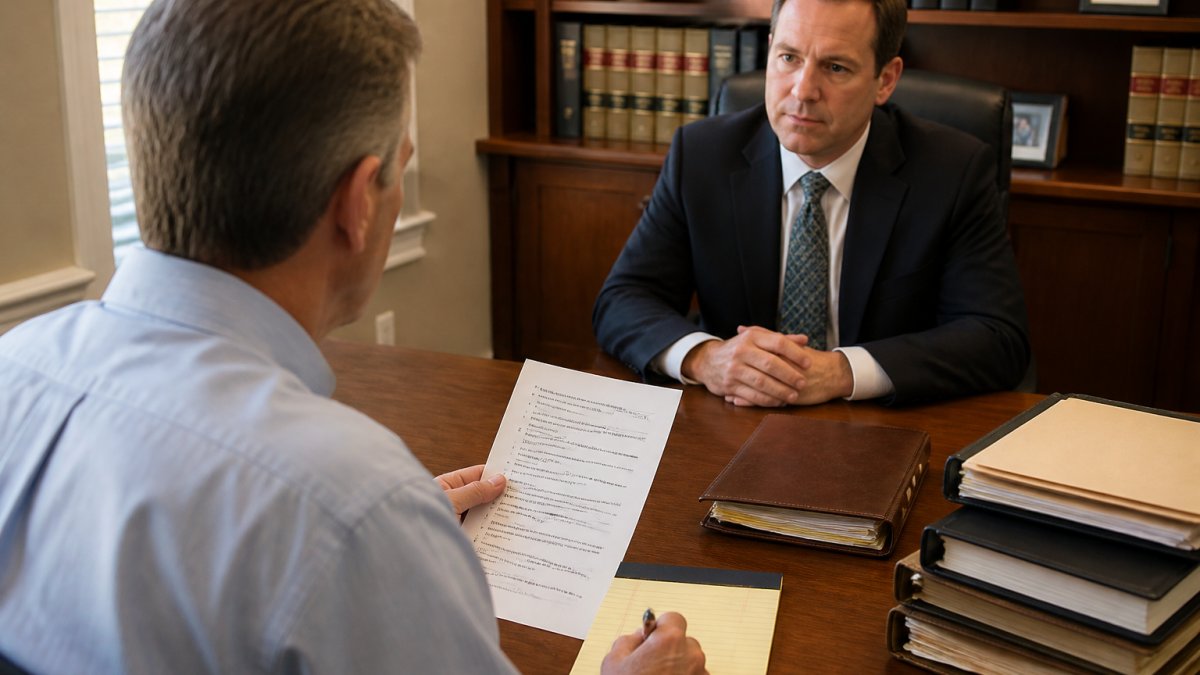
Ask these before you sign anything:
- How many cases like mine have you handled, and how did they end?
- What is your honest assessment of my case’s strengths and weaknesses?
- What is the likely timeline, and what could delay it?
- How will you bill me, and what costs will I owe on top of fees?
- Who handles day-to-day communication?
- What alternatives to a lawsuit should I consider first?
- What do you need from me to prepare?
Push for straight answers. A lawyer who promises a guaranteed outcome is overselling. No one can promise a case result.
Civil Litigation Lawyer Fees and What Drives Costs
Civil litigation lawyer fees usually follow one of three structures, and the right one depends on your case and your comfort with risk. Cost is the question clients ask most, so ask it early and in writing.
Fee Structures You May Encounter
| Fee Structure | How It Works | Best For |
|---|---|---|
| Hourly | You pay for time worked, tracked in increments | Cases with unpredictable scope |
| Flat fee | One set price for a defined task or stage | Filing, demand letters, simple matters |
| Contingency | Attorney takes a percentage of any recovery | Injury and recovery-based claims |
Costs are separate from fees. Filing fees, expert witnesses, depositions, and copies add up. Ask who pays those up front and whether they are deducted from a settlement.
What drives cost the most is how hard the other side fights. A dispute that settles in mediation costs far less than one that goes through full discovery and trial.
Never hire a litigator without a written fee agreement. Verbal understandings about billing lead to disputes later, and a surprise invoice damages trust fast.
What to Expect at Each Stage of a Civil Case
A civil case follows a predictable sequence, but the pace depends on the court, the complexity of the facts, and how aggressively the other side litigates. The stages below describe what typically happens, what you will be asked to do, and where cost and delay usually appear. Timelines are general patterns, not promises, your attorney should give you case-specific estimates.
Stage 1: Consultation and Case Evaluation
You meet with the attorney, share your documents, and get a preliminary assessment. The attorney identifies the claims, the likely defendants, the applicable statute of limitations, and whether pre-suit negotiation makes sense. Bring contracts, correspondence, invoices, photographs, and any prior demand letters. This stage usually takes days to a few weeks.
Stage 2: Pre-Suit Negotiation and Demand
Many disputes resolve here. The attorney sends a demand letter outlining the claim and the requested relief. The other side may respond, ignore it, or counter. A well-drafted demand letter often produces a settlement without any filing. If talks stall, the next step is drafting the complaint.
Stage 3: Pleadings
The plaintiff files a complaint in the appropriate court and serves the defendant. The defendant responds with an answer, and may file counterclaims or a motion to dismiss. Pleadings define the issues the court will decide. Service rules are strict, improper service can delay or defeat a case.
Stage 4: Discovery
Discovery is usually the longest and most expensive phase. Both sides exchange information through:
- Written interrogatories, questions answered under oath.
- Requests for production, documents, emails, records.
- Requests for admission, facts the other side must admit or deny.
- Depositions, sworn oral testimony, often the costliest discovery tool.
- Expert disclosures, reports from retained experts.
Discovery can take months. Disputes over scope often require motions to compel, which add time and cost.
Stage 5: Motions and Dispositive Rulings
Either side may file motions, to dismiss, for summary judgment, to exclude evidence, or to narrow claims. A summary judgment ruling can end the case before trial. Motion practice is where legal strategy and written advocacy matter most.
Stage 6: Settlement, Mediation, or Arbitration
Most civil cases resolve before trial. Mediation uses a neutral facilitator; arbitration uses a decision-maker whose award may be binding. Settlement can happen at any point, including during trial. A common pattern is that the closer a case gets to trial, the more seriously both sides negotiate.
Stage 7: Trial
If no resolution is reached, the case goes to a judge or jury. Trial involves jury selection, opening statements, witness examination, exhibits, closing arguments, and a verdict. Trials are rare relative to filings, but they are the stage most clients picture when they think about litigation.
Stage 8: Post-Trial and Appeal
After a verdict, either side may file post-trial motions or an appeal. Appeals are decided on the record, not on new evidence, and can take a year or more. Enforcement of a judgment, collecting what you are owed, is a separate step that sometimes requires additional court action.
Deadlines That End Cases
The statute of limitations sets the outer deadline for filing (statute of limitations | Wex | US Law). Missing it usually bars the claim entirely. Other deadlines, response to a motion, discovery cutoffs, expert disclosure, are set by court order or local rules. Treat every date as non-negotiable, and calendar them the day you receive them.
A missed statute of limitations or response deadline can end a case regardless of how strong the facts are. Confirm the applicable deadline with an attorney as early as possible.
Alternatives to Litigation: Mediation and Arbitration
Mediation and arbitration resolve civil disputes outside a courtroom, often faster and at lower cost than a trial. Mediation uses a neutral third party who helps both sides reach a voluntary agreement.
Mediation works well when both parties want to preserve a relationship or avoid public exposure. Arbitration fits contracts that require it, and it suits disputes where both sides want a private, final decision.
These options are not right for every case.
A civil dispute can feel overwhelming, especially when deadlines are closing in and the other side has counsel. Gene Thompson, stay reachable by phone, email, or text, and get a clear plan for every stage of your case. Contact us to discuss your situation and find out what comes next.
Frequently Asked Questions
What does a civil litigation attorney do?
A civil litigation attorney represents individuals, businesses, or organizations in disputes that are not criminal matters. This includes investigating facts, gathering evidence, interviewing witnesses, filing pleadings, conducting discovery, negotiating settlements, arguing motions, and presenting the case at trial or arbitration. For a civil litigation case, the attorney’s role is to protect your legal interests, advise you on options, and work toward the best possible outcome. Creek County Law provides this kind of one-on-one representation to clients across Northern Oklahoma.
How much does a civil litigation lawyer charge?
Civil litigation lawyer fees vary based on the complexity of the dispute, the attorney’s experience, and the fee structure. Common arrangements include hourly billing, flat fees for specific tasks, contingency fees (a percentage of recovery), and hybrid models. Costs also include court filing fees, discovery expenses, and expert witness charges. Because pricing depends on your specific case, Creek County Law recommends contacting the firm directly for a consultation and a clear explanation of how fees are handled.
What should I bring to an initial consultation with a civil litigation attorney?
Bring any documents related to the dispute: contracts, correspondence, emails, receipts, photographs, police reports, and a written timeline of events. Also prepare a list of questions to ask a civil litigation lawyer, such as their experience with similar cases, the expected timeline, and how fees work. If you have received any court papers or demand letters, bring those as well. Being organized helps the attorney evaluate your situation and give you useful legal advice during the consultation.
Is it hard to win a civil lawsuit?
The outcome of a civil lawsuit depends on the facts, the evidence, the applicable law, and how well the case is presented. Some disputes are resolved through negotiation or mediation without a trial, while others proceed to a judge or jury. An experienced civil litigation attorney can assess the strengths and weaknesses of your case, explain the risks, and help you decide whether to settle or go to trial. No attorney can guarantee a specific result, but strong preparation improves your chances.